When the Alpine passes wake up from hibernation
Andermatt, May 20, 2026
As winter slowly recedes and the days grow longer, a very special time begins in our region. Whilst the first flowers are already blooming down in the valley and temperatures are rising, some of the Alpine passes are still buried deep under snow. It is precisely then that one of the most impressive tasks of the year gets underway in the canton of Uri: clearing the snow from the Alpine passes.
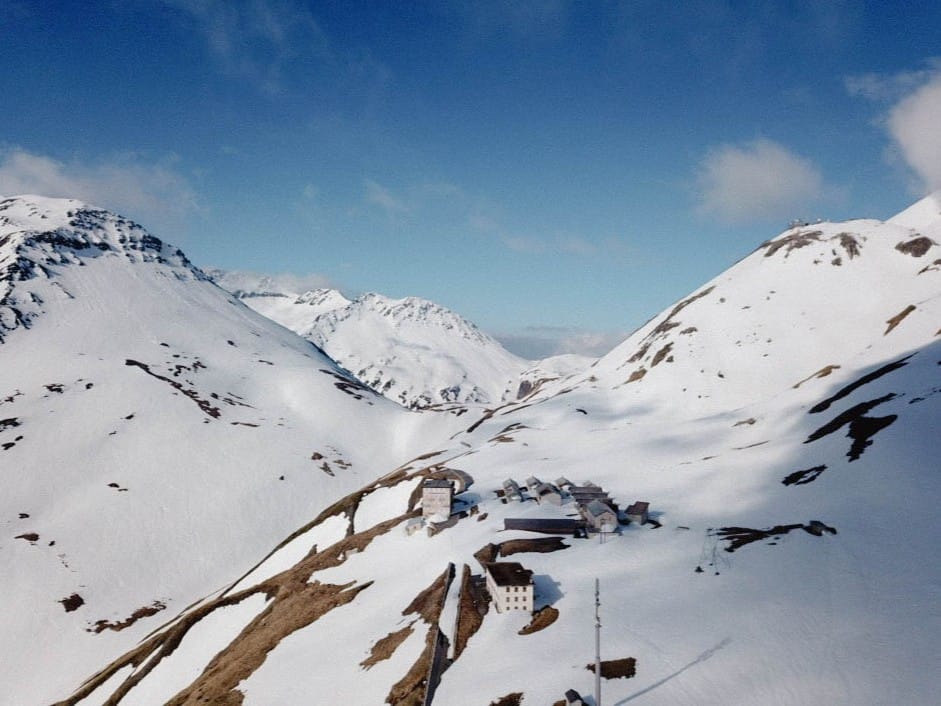
View of the snow-covered Furka Pass
Between winter and spring
The Oberalp, Gotthard, Furka and Susten Passes, as well as other Alpine passes in and around the Andermatt holiday region, are closed for several months every year. Snow, ice and avalanches make the roads impassable. As a rule, the winter closures last from October well into spring or even into early summer.
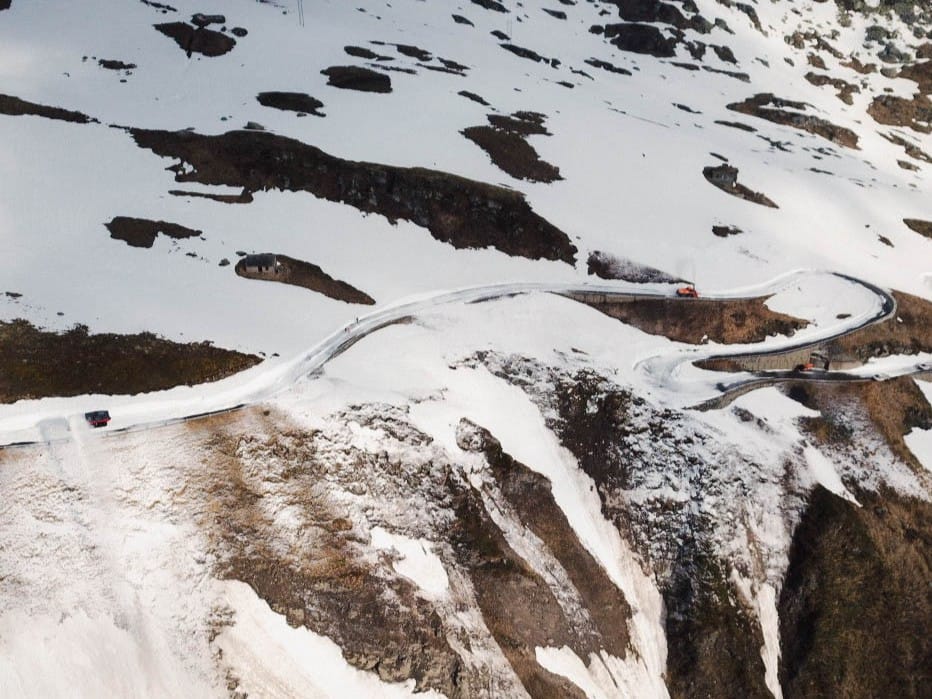
Step by step, the pass road is cleared.
As soon as conditions allow, clearance work begins, usually from mid-April. Between April and June, around ten staff members are deployed per pass to make the pass roads passable again – including on the opposite side of the neighbouring canton.
This involves far more than just clearing snow: extensive rock clearance operations are carried out, gullies, culverts and carriageways are cleaned, and crash barriers, road signs and safety installations are uncovered, inspected and reinstalled. In addition, damage to the road surface and infrastructure caused by the winter is repaired and restored. Only once all the work has been completed and all safety checks carried out can the safe opening of the mountain passes be guaranteed.
Giants at work
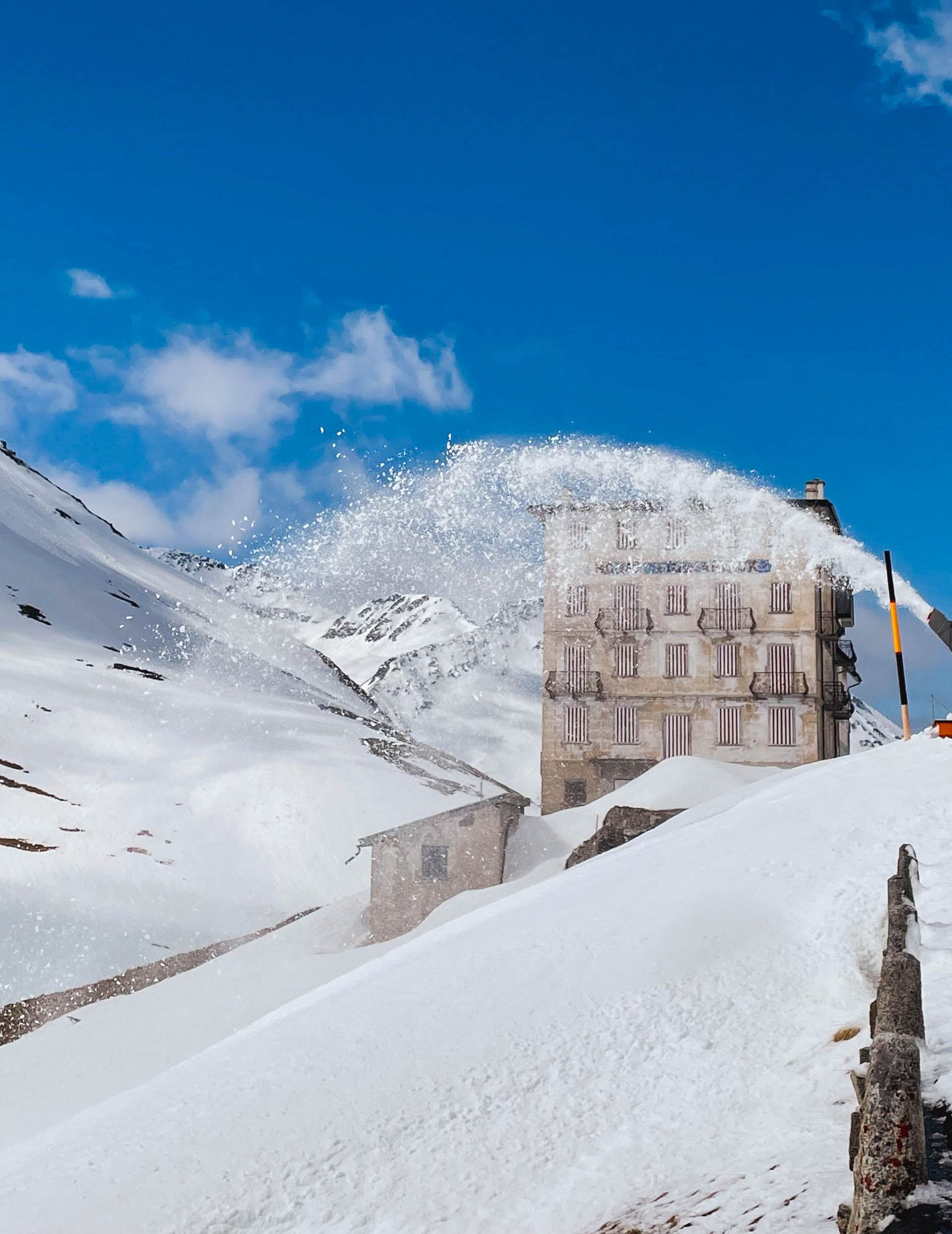
The preparatory work on the Furka Pass, one of Switzerland’s most spectacular Alpine passes, is particularly impressive to watch: snow blowers slowly work their way forward, metre by metre, through high walls of snow – silent witnesses to a long winter.
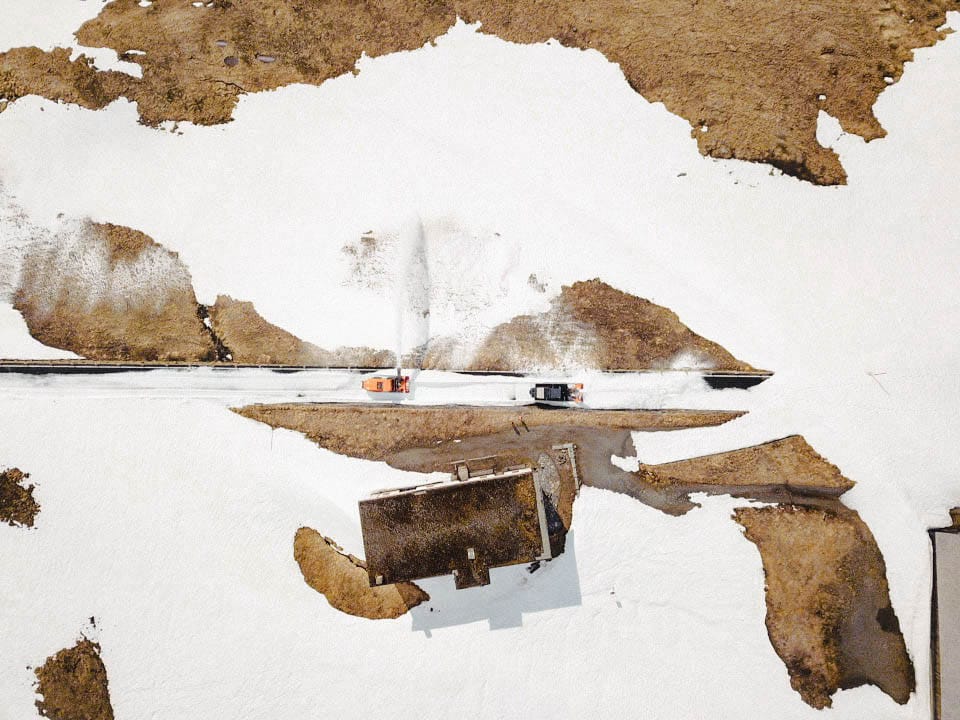
Precise clearance work along the pass road.
We were able to accompany the clearance work on site and witness first-hand the precision, experience and calm with which the teams carry out their work. What looks spectacular from the outside is, in reality, highly concentrated work carried out under sometimes very demanding conditions.
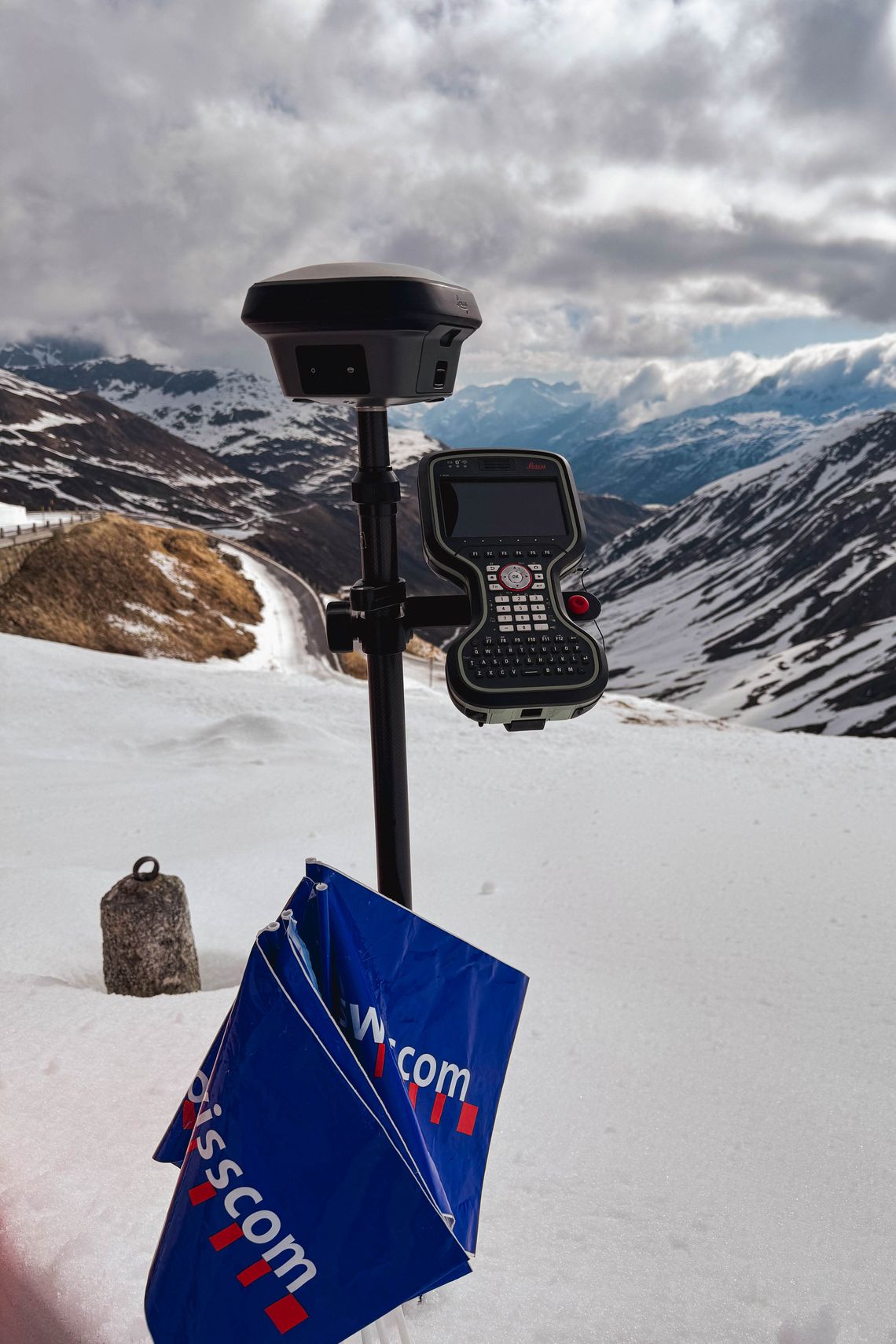
Modern technology supports the planning and monitoring of snow clearance.
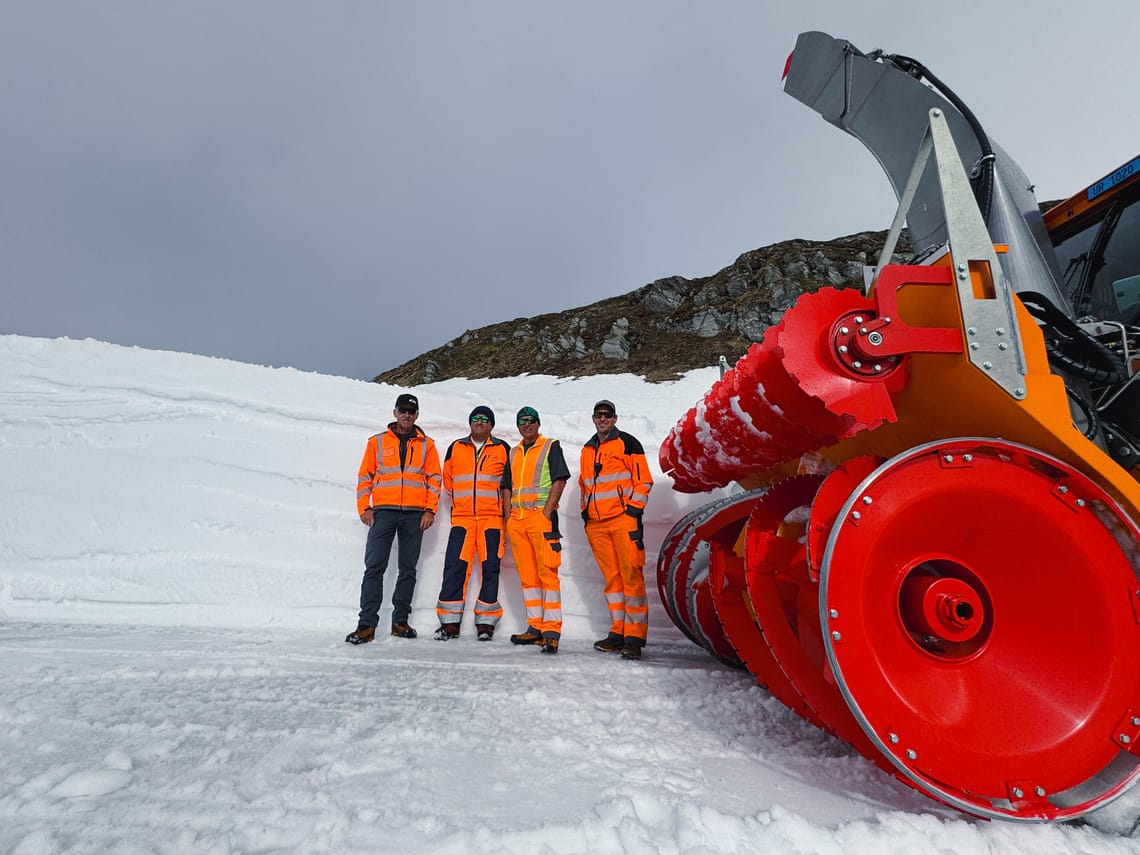
True teamwork: clearing snow from Alpine passes requires experience, coordination and powerful machinery.
The work is anything but routine. Staff from the Canton of Uri constantly assess the avalanche situation and plan operations accordingly. In critical situations, the Federal Avalanche Centre is called in. Changes in the weather, fresh snow or unstable snow layers can alter the schedule at any time. Safety is therefore the top priority. Only once there is no longer any immediate danger can the road be prepared for the summer, step by step.
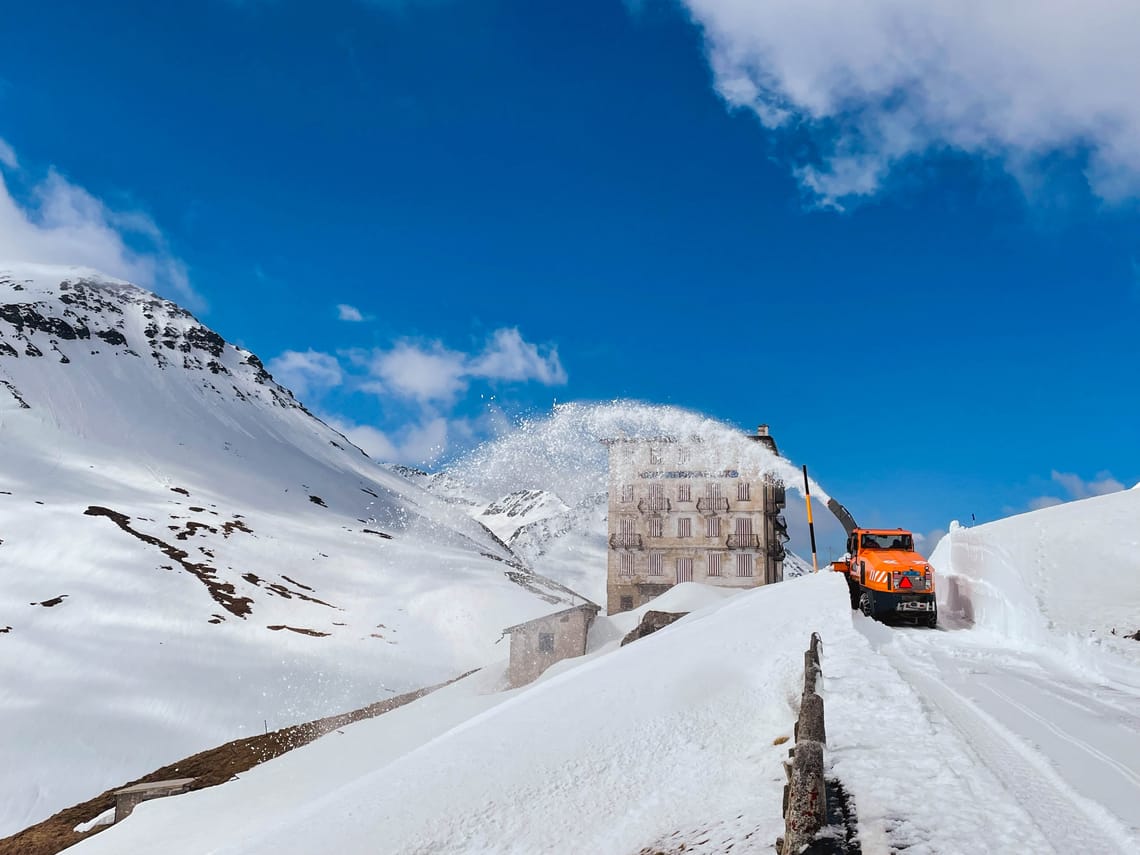
Working at full capacity: the snow blower clears the mountain pass road.
This creates striking images: narrow snow corridors, white walls and, right in the middle, the machines tirelessly carving their way through.
More than just snow clearance
Snow clearance on the Alpine passes marks the transition from winter to summer and thus the start of the season for many pass enthusiasts.
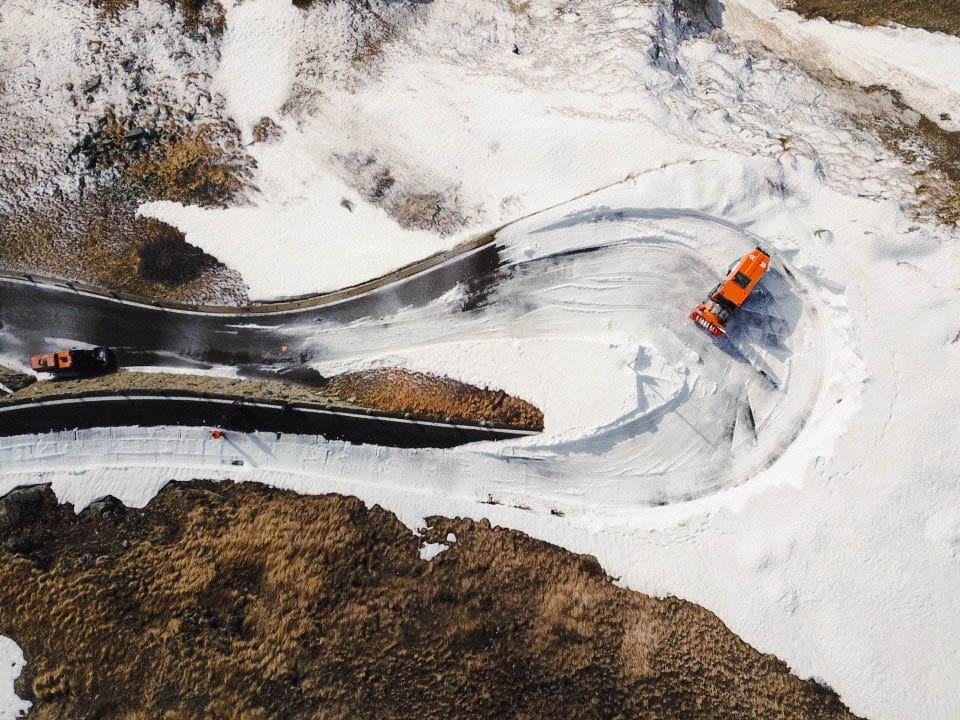
Bend by bend, the road is cleared.
As soon as the roads open, they are back: road cyclists, motorcyclists and day-trippers enjoying the winding routes and spectacular views. The first ride over a freshly opened pass is a special experience for many. What is often forgotten is that behind every open mountain pass lie weeks of intensive work, precise planning and a deep respect for nature. And anyone who has witnessed the clearance work first-hand knows: this isn’t simply a matter of shovelling snow aside.